One Day
Lake in the morning, one hill branch in the afternoon, dinner by the water. The hour-by-hour version lives in One Day in Hangzhou.
At a Glance
Hangzhou is what an East China itinerary looks like when the trip needs scenery instead of another skyline. A lake sits at the centre of the city, wooded hills rise on three sides, and the Shanghai rail line puts the whole thing within reach before lunch.
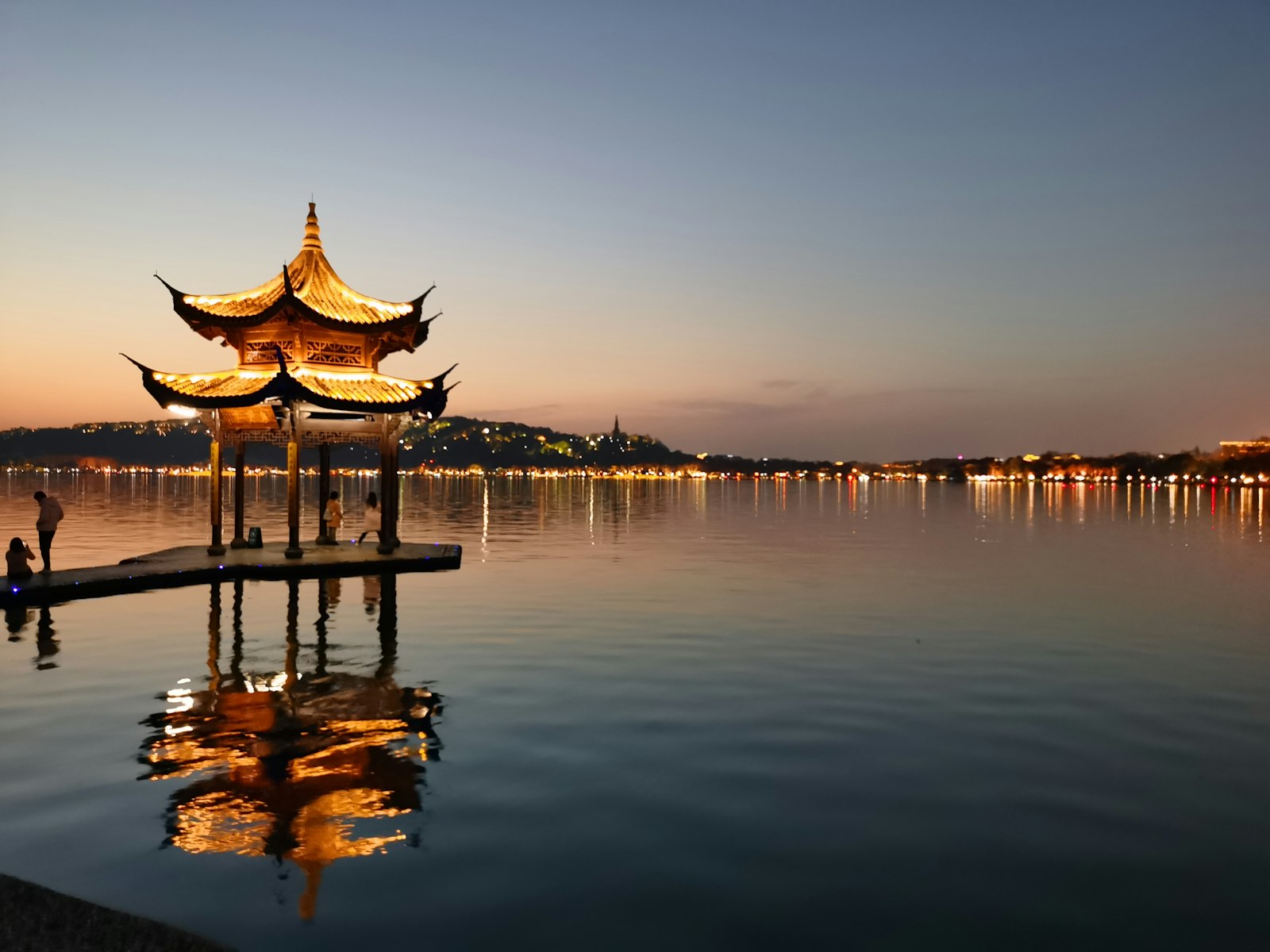
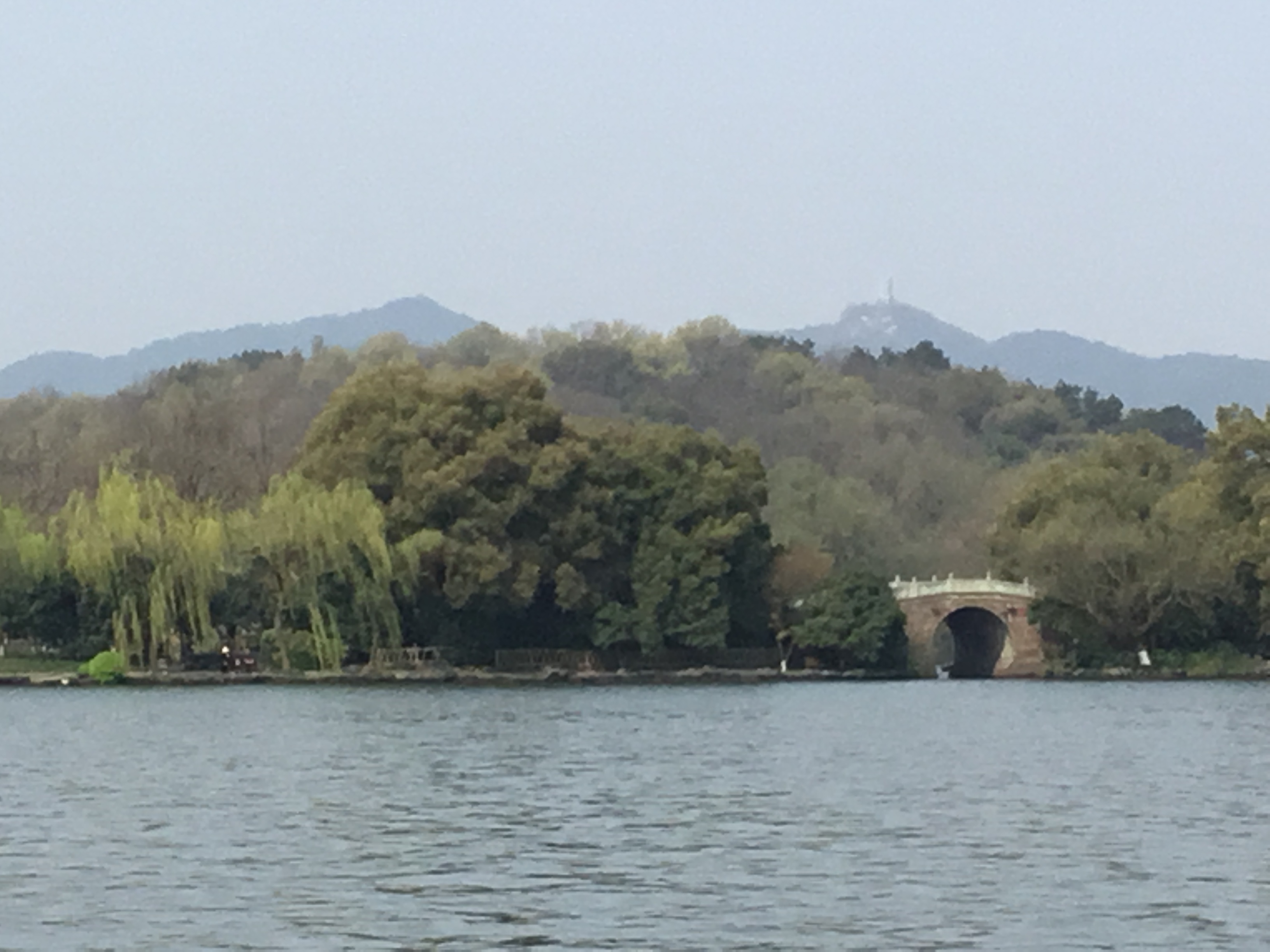
West Lake is not one viewpoint. It is a designed landscape: four causeways, three artificial islands, and hills along the north, west, and south sides, listed by UNESCO as a cultural landscape since 2011. The causeways that cross the water were built from dredged silt, and the emperors who visited later fixed the ten scenes that guidebooks still list.
That is why a good Hangzhou day pairs the lake with one hill branch, Lingyin Temple to the northwest or the Longjing tea terraces to the southwest, rather than working through every named spot on the shoreline. Two nights is the comfortable shape: one night covers the lake and one branch, and zero nights turns the city into a Shanghai day trip with a lot of train time.
Map
Trip Planning
Lake in the morning, one hill branch in the afternoon, dinner by the water. The hour-by-hour version lives in One Day in Hangzhou.
Day one for the lake, the causeways, and one pagoda. Day two for the Longjing tea village and the China National Tea Museum, or for Lingyin if day one went entirely to the water.
Take an early train, do the lake plus one branch, and book the return before leaving Shanghai. Adding both hill branches is what turns a good day trip into a forced march.
Top Experiences
Four causeways, three islands, and a shoreline that works best early in the morning.
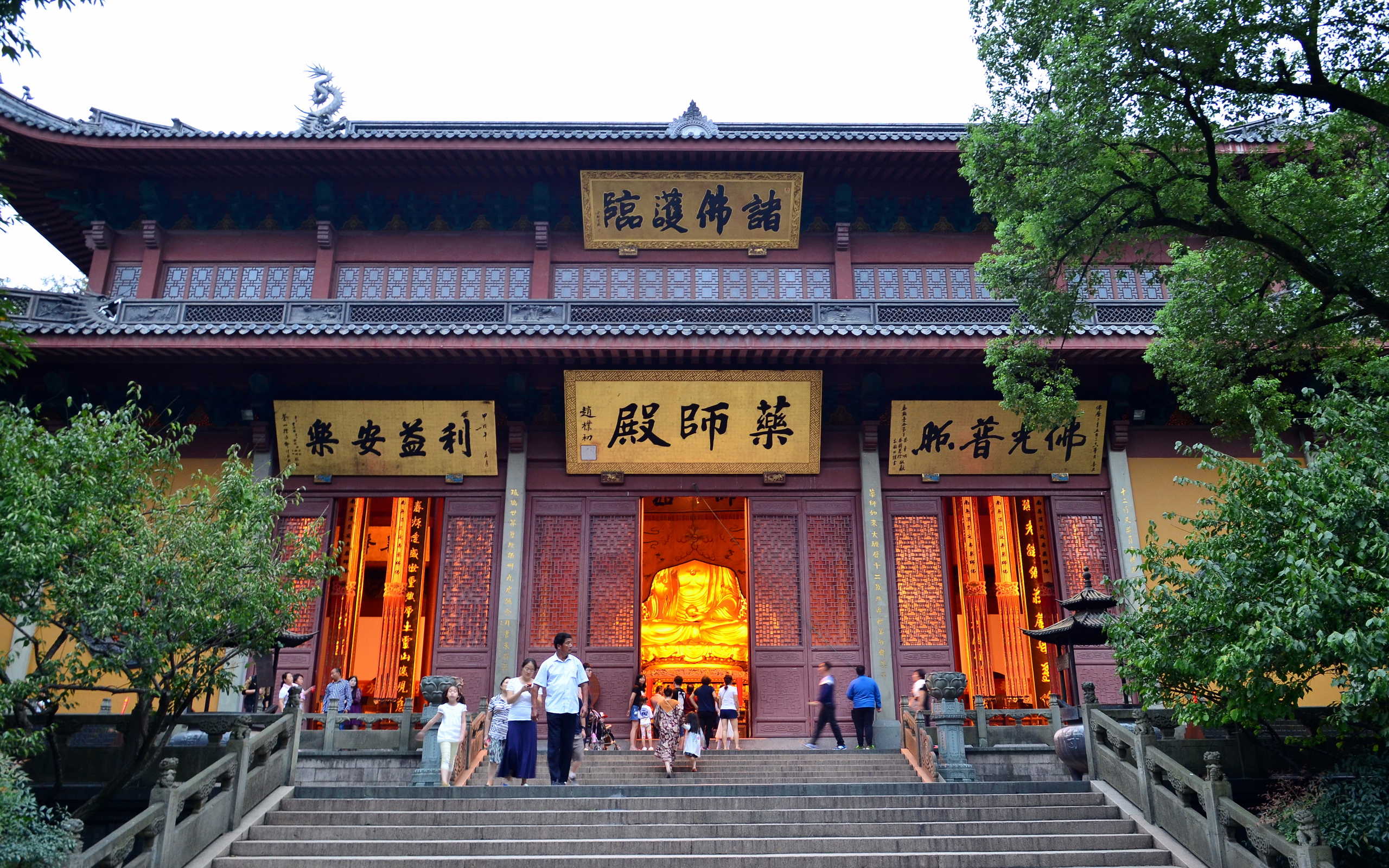
Read moreA working Chan Buddhist temple founded in 328 AD, entered past a gorge of rock carvings.
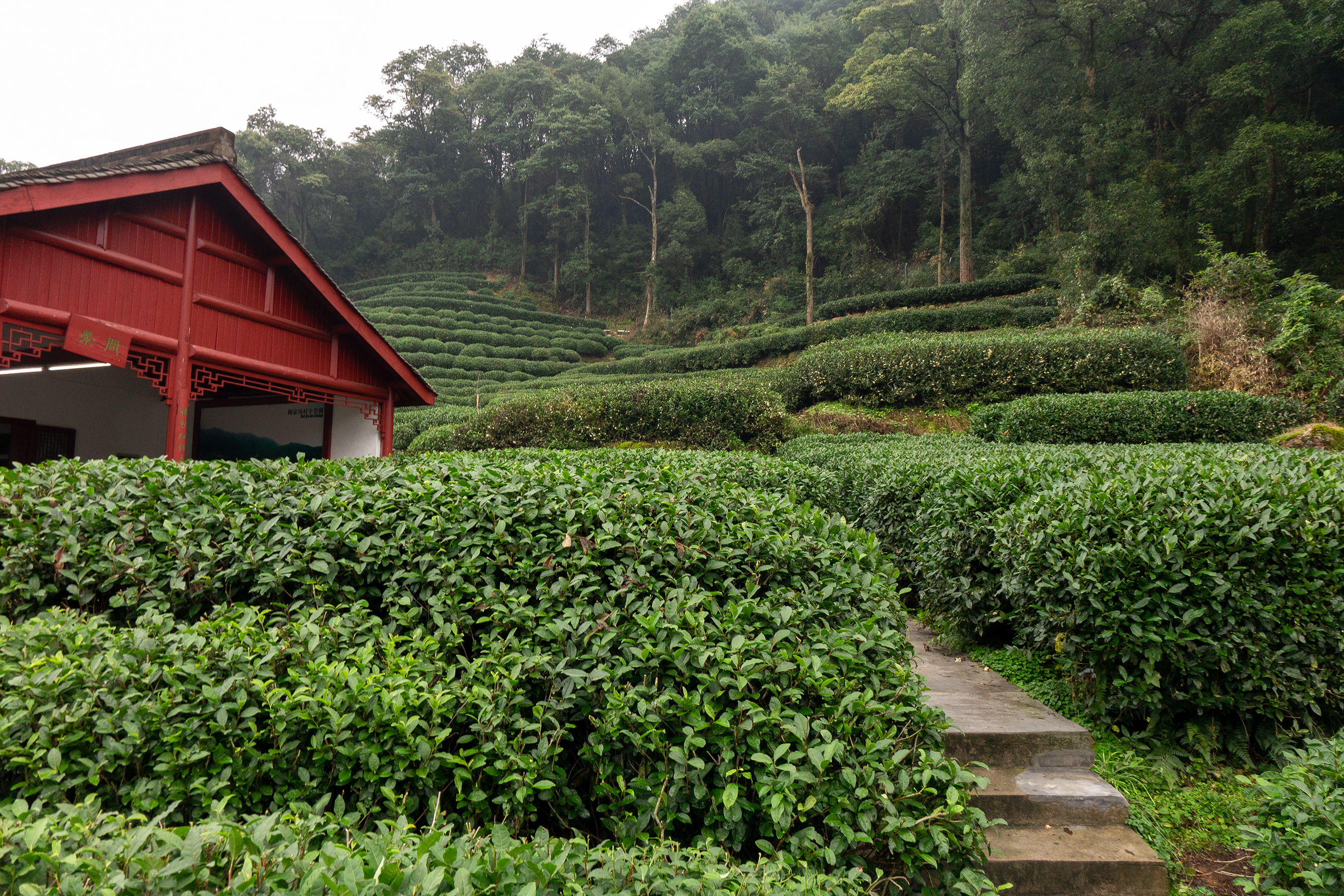
Read moreTea terraces, village lanes, and the museum that explains what you are looking at.
Read moreMore to Explore
A Chan Buddhist temple founded in 328 AD, entered through a gorge of carved grottoes in the hills northwest of West Lake.
Open guideThe tea hills southwest of West Lake, where Longjing is grown, fired by hand, and sold in the villages that give the tea its name.
Open guideHangzhou's central scenic system, and the reason most travelers give the city a night rather than a stopover.
Open guideWhere to Stay
The default for a first visit. You can walk to the water in a few minutes, the lakeside streets carry the evening crowd, and Longxiangqiao metro station puts the rest of the city within reach.
Quieter at night and closer to Baochu Pagoda and the northern causeway entrances. This is the better base if the plan is to walk the lake before the city wakes up.
Worth considering only when Hangzhou is a rail stopover. It is convenient for an early departure and has little scenic pull; choose it when the lake is a half day rather than the reason for the trip.
How to get around
The Shanghai–Hangzhou high-speed line opened in 2010 and cut the trip between the two cities from 78 minutes to about 45. Trains leave from Shanghai Hongqiao and arrive at Hangzhou East, which is the station to aim for.
Metro Line 1 runs from Hangzhou East through the city to the lake area. Longxiangqiao is a short walk from the east shore; Wulin Square and West Lake Cultural Square serve the downtown side.
Lingyin and the tea hills sit a short ride from the lake's northwest and southwest sides. Roads around the water crawl at weekends, so leave before mid-morning or accept the delay.
Need to Know
Walking the lake and its causeways is free. Boats, pagodas, gardens, and the Lingyin–Feilai Feng Scenic Area charge separately, and the prices change. Check current admission before you budget from an older guide.
Weekends and Chinese public holidays change the city entirely. The causeways are calm before about 8am, and tour groups reach Lingyin by mid-morning.
Reserve Shanghai–Hangzhou rail seats ahead of Friday evenings, Sundays, and holidays rather than buying on the day.
Best Time to Go
The best window and the busiest one. Longjing tea is picked before the Qingming festival in early April, and the lake fills up with everyone who read the same advice.
Long, hot, and humid, with July averaging around 29°C and the plum rains arriving in June. The lake works early in the morning and again after dark.
Drier, clearer, and the closest rival to spring for walking the causeways and the tea hills.
Chilly, grey, and quiet, with January averaging around 5°C. Mist over the water is the reason to ignore the forecast.
Beyond Hangzhou