Background
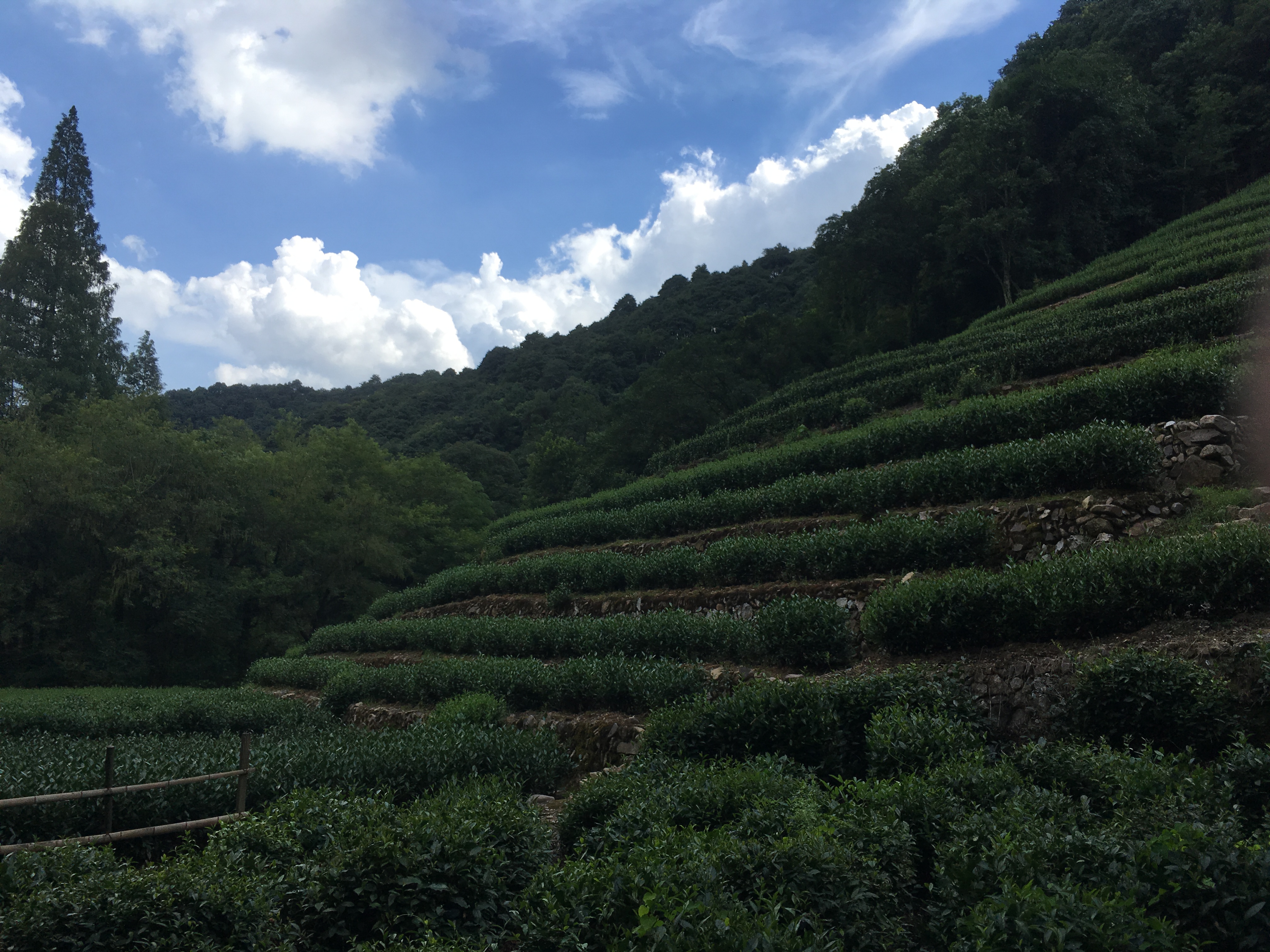
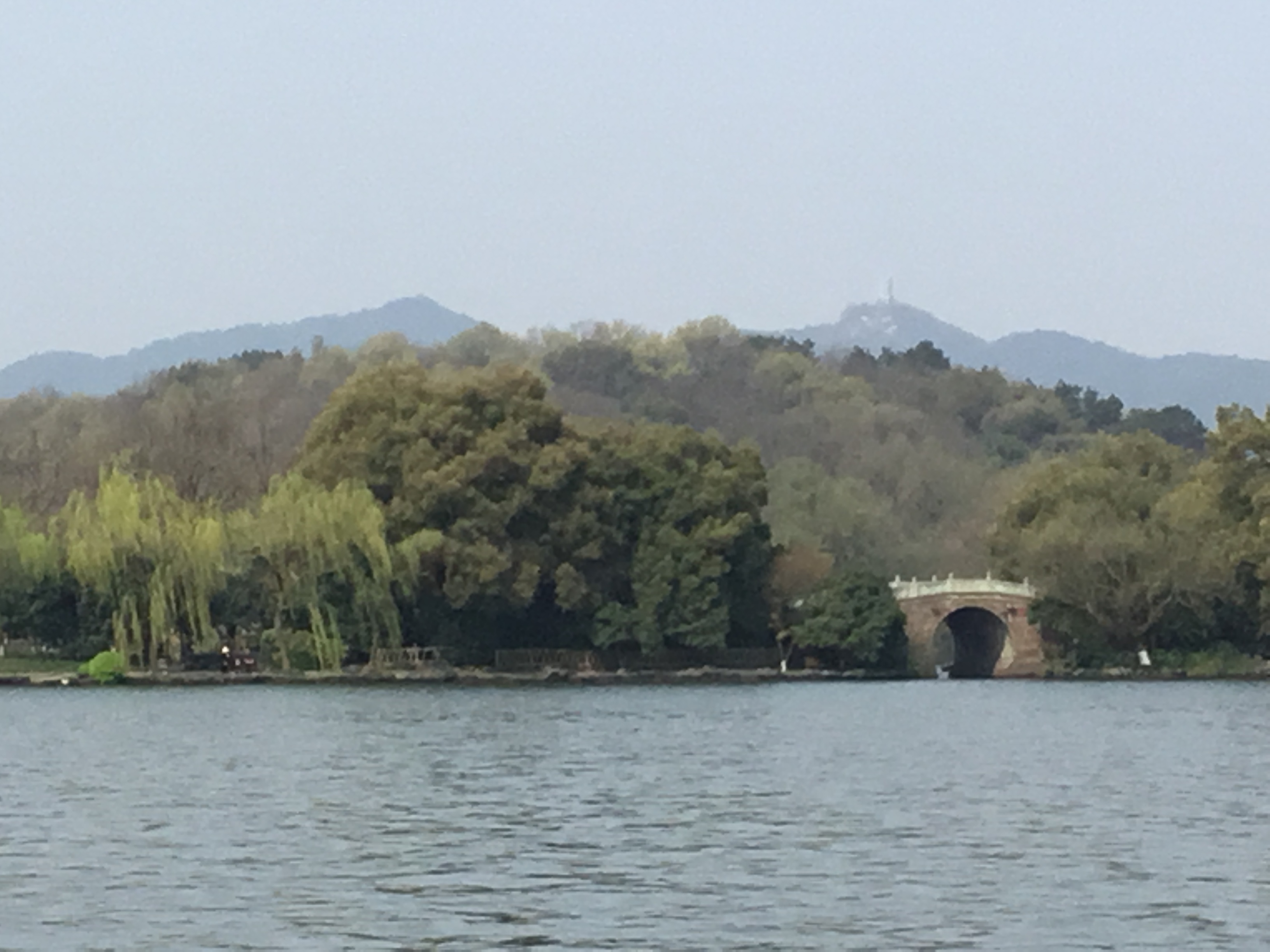
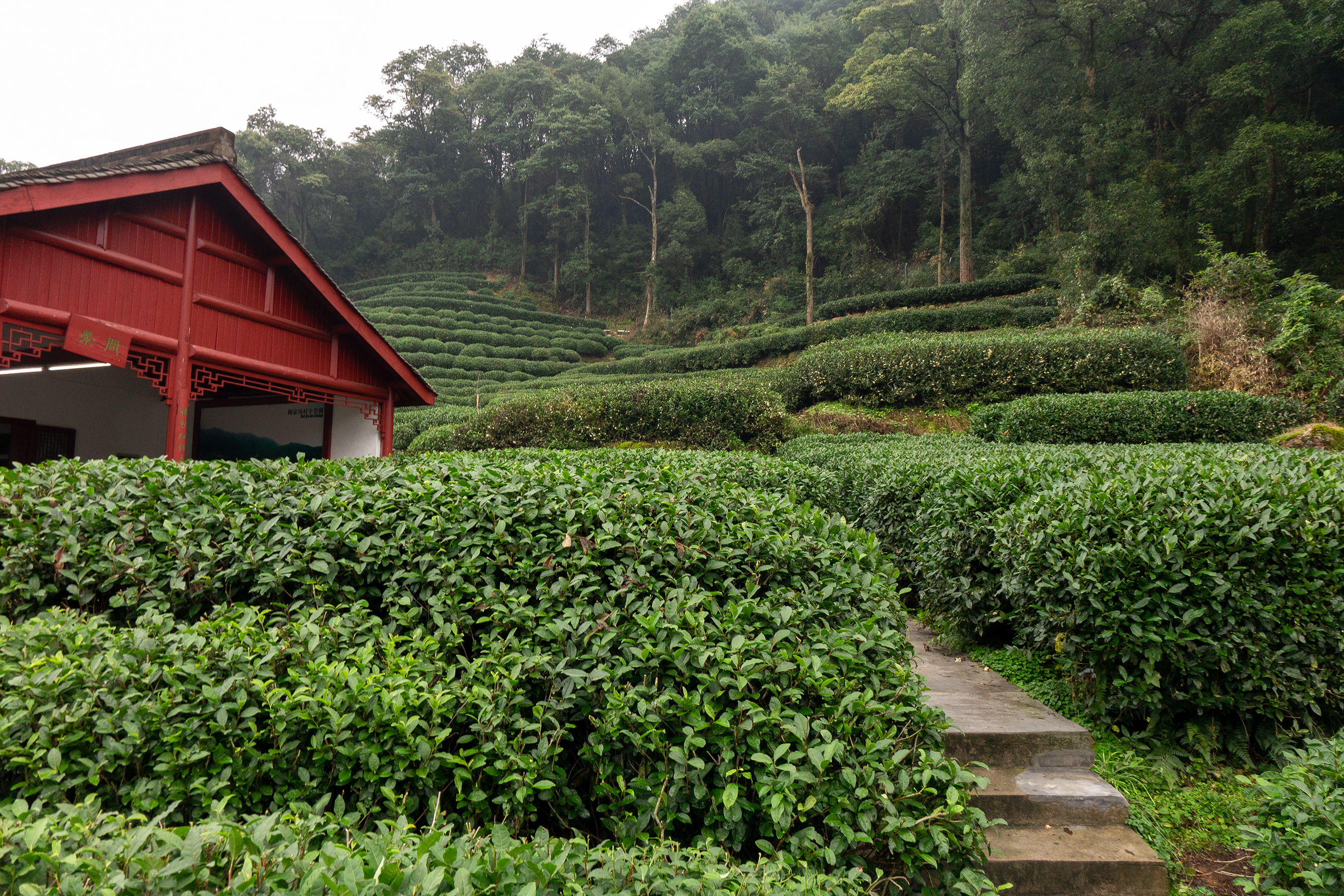
The tea hills are the reason Hangzhou feels bigger than its lake. Half an hour southwest of the water, the city gives way to terraced slopes, small villages, and teahouses where the tea in your cup was grown within sight of the table.
Longjing means Dragon Well, and the name comes from a historic well beside Longjing Village. The tea grown here is pan-fired by hand into flat, blade-shaped leaves, and the best-known grades are picked in early spring before the Qingming festival, which is why April prices run far ahead of the rest of the year.
Longjing has been imperial tea since the Qing dynasty, with a legend that the Qianlong Emperor granted protected status to eighteen bushes near West Lake. The Qianlong Emperor also inscribed the Eight Scenes of Dragon Well in these hills, which is a useful reminder that this landscape has been curated for visitors for centuries. Today the tea's growing area around West Lake is protected by geographical designation in China and in the European Union, and a great deal of what is sold as Longjing around China is grown elsewhere.
Visit Strategy
Treat the tea hills as a half day. The plan that works is simple: walk a terrace path, spend an hour in the China National Tea Museum on Dragon Well Road, then sit down for a tasting in a village teahouse and buy only what you have tasted.
Do not expect one ticket gate and one standard experience. This is a village area spread across hillsides, so access, prices, and what a teahouse offers vary from place to place. Meijiawu is the other main village if Longjing itself is crowded. If you want a longer walk, the Nine Creeks and the Ten-Mile Langdang ridge connect into the same hill system.
Spring is both the best time and the most crowded one: the pre-Qingming harvest draws domestic visitors who know exactly what they came for. Autumn is the better season for walking without the harvest circus.