A first-principles guide to when rail wins, how to choose class, and what matters on station day.
TransportBookingFirst Trip
9 min readReviewed April 14, 2026
Best ForCity-to-city hops
Book Ahead3-7 days on tight routes
Always BringPassport for every boarding
Reliable & on-timeTrains generally run on time!
Orientation
What matters first
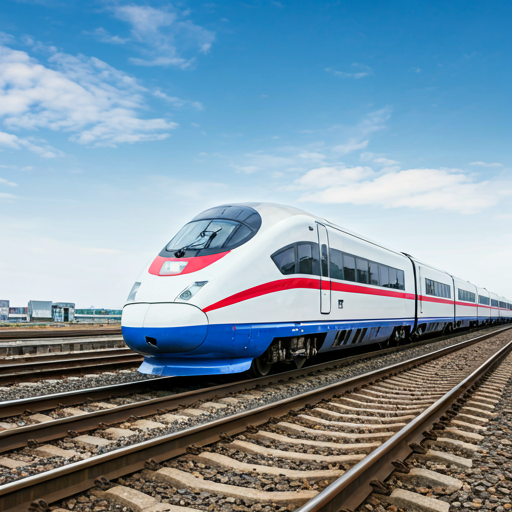
For most first trips, high-speed rail is the cleanest way to connect China's major cities. The network is fast, stations are predictable once you know the rhythm, and the overall door-to-door math often beats flying on the routes travelers actually care about.
Baseline
Why Rail Usually Wins
On routes where the train ride stays in the half-day zone, rail usually wins once you count airport transfers, early arrival buffers, and the fact that central stations drop you much closer to where travelers actually stay.
Rail also makes multi-city itineraries easier to reason about. You can leave after breakfast, arrive by mid-afternoon, and keep the same trip pace instead of burning a full day on airport choreography.
Seat Strategy
Choose the Right Class
Most travelers do not need the most premium seat. They need the least friction for the trip shape they actually booked.
Best default
Second Class
Usually the right answer for standard intercity travel. Fast, comfortable, and easy to justify across several legs.
Best for value-minded first trips
Most plentiful inventory
Easiest to scale across a multi-city route
Comfort is usually enough for daytime runs
Upgrade selectively
First Class
Worth it on longer journeys or when you want more elbow room without jumping to the most premium tier.
Best for longer daytime routes
More personal space
Smoother if traveling with luggage
Good middle ground on flagship routes
Only when it matters
Business Class
Useful when comfort is the point, not because the route requires it. Save it for one showcase leg rather than every segment.
Best for premium splurges
Strong comfort on long runs
Not necessary for routine hops
Works best as a targeted upgrade
Hubs
Major Station Logic
The big mistake is assuming the city name alone is enough. Many major cities have multiple stations and they are not interchangeable.
City
Typical Use
What To Double-Check
Beijing
Northbound and classic trunk routes
Confirm the exact station name and not just the city
Shanghai
High-frequency departures in several directions
Leave extra time for a large station footprint
Xi'an
Strong transfer point for central and northwest itineraries
Watch the station district if you are arriving late
At the Station
What to Expect at the Station
Boarding trains in China isn't hard, so don't be afraid!
01
Keep your passport reachable
You will use it repeatedly
02
Give yourself around 30 minutes
Security, station size, and finding the right waiting area can absorb more time than you think.
03
Expect the platform release late
Waiting areas are normal, and most trains start boarding around 10 minutes ahead of departure.
Next Move
Build the rail-first route
Start with the cities you are actually connecting, then trim the itinerary to the legs that keep rail in its strongest range.