Background
West Lake is the reason Hangzhou appears on most China itineraries, and it is more interesting than a postcard view of water.
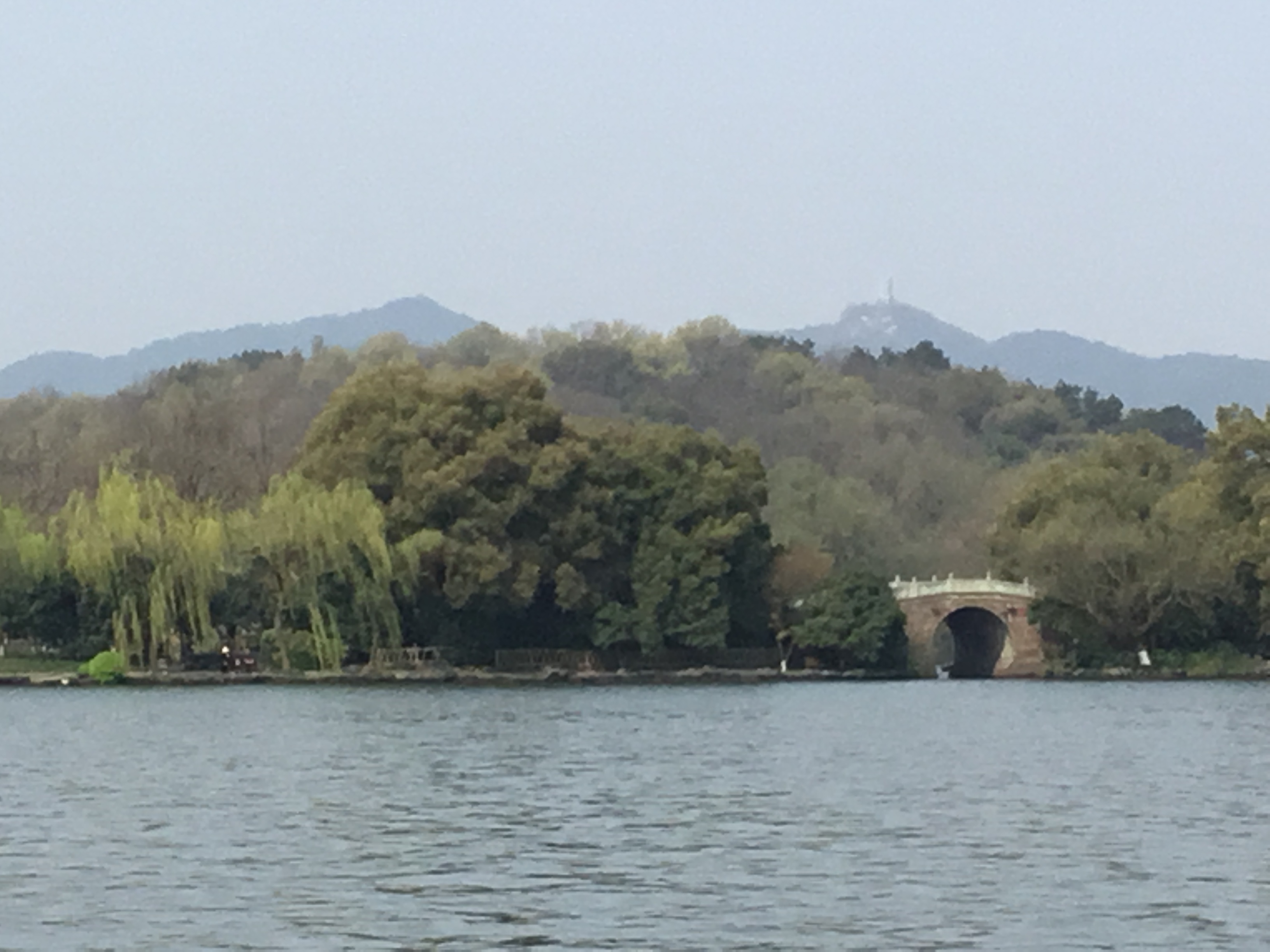
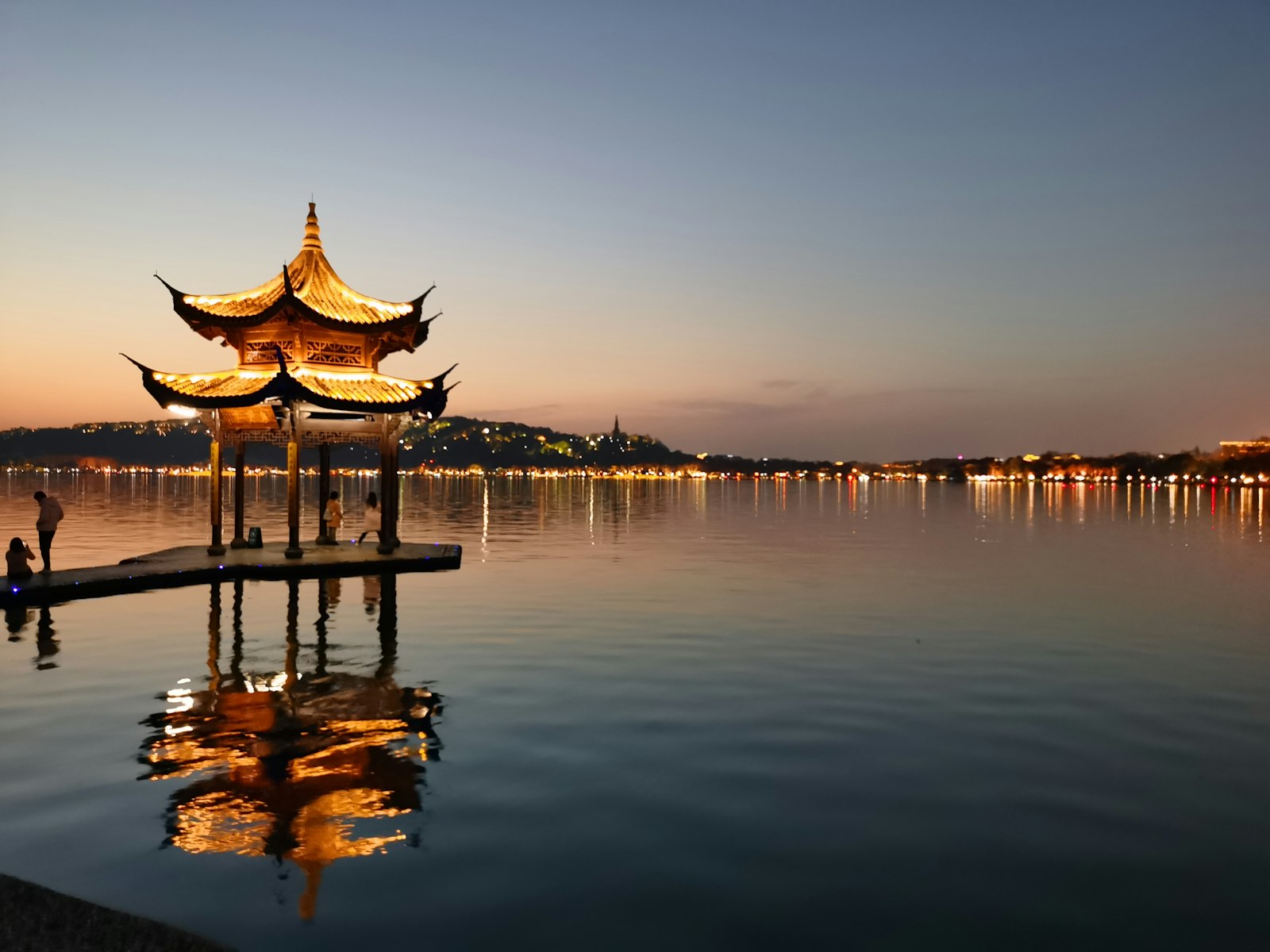
West Lake is a designed landscape, not a wild one. Causeways, bridges, planted islands, and pagodas have been added to it over centuries, which is why the lake reads as a series of composed views rather than one big panorama. UNESCO's listing treats the lake together with the farmed hills around it, and that connection is useful for planning: the lake edge and the tea hills to the southwest belong to the same day out.
The lake sits at the centre of the city. You can walk to the water from downtown hotels, and the shoreline works as ordinary public park space for Hangzhou residents, not only as a visitor attraction.
Visit Strategy
Treat West Lake as the core of a day rather than a photo stop. Pick one stretch and do it properly: the Su Causeway for the long walk across the water, the northeast corner around Broken Bridge for the classic view, or the south shore for Leifeng Pagoda and the boat docks to Three Pools Mirroring the Moon.
You do not need to walk the whole shoreline. Circling the lake on foot is a long day; most visitors walk one or two stretches and cover the rest by boat, bus, or taxi. Boats are the one part of the lake worth spending on, because they put you on the water rather than beside it.
If you want a full day, pair the lake with either Lingyin Temple to the northwest or the Longjing tea hills to the southwest. Trying to do the lake, Lingyin, and Longjing in one day is technically possible and usually rushed.
Nearby
Lingyin Temple: the strongest cultural counterpart to the lake, northwest of the water.
Longjing tea village: hillside tea terraces and village lanes, best as a half-day.
West Lake Lakeside: the walking base around the east and north shores.