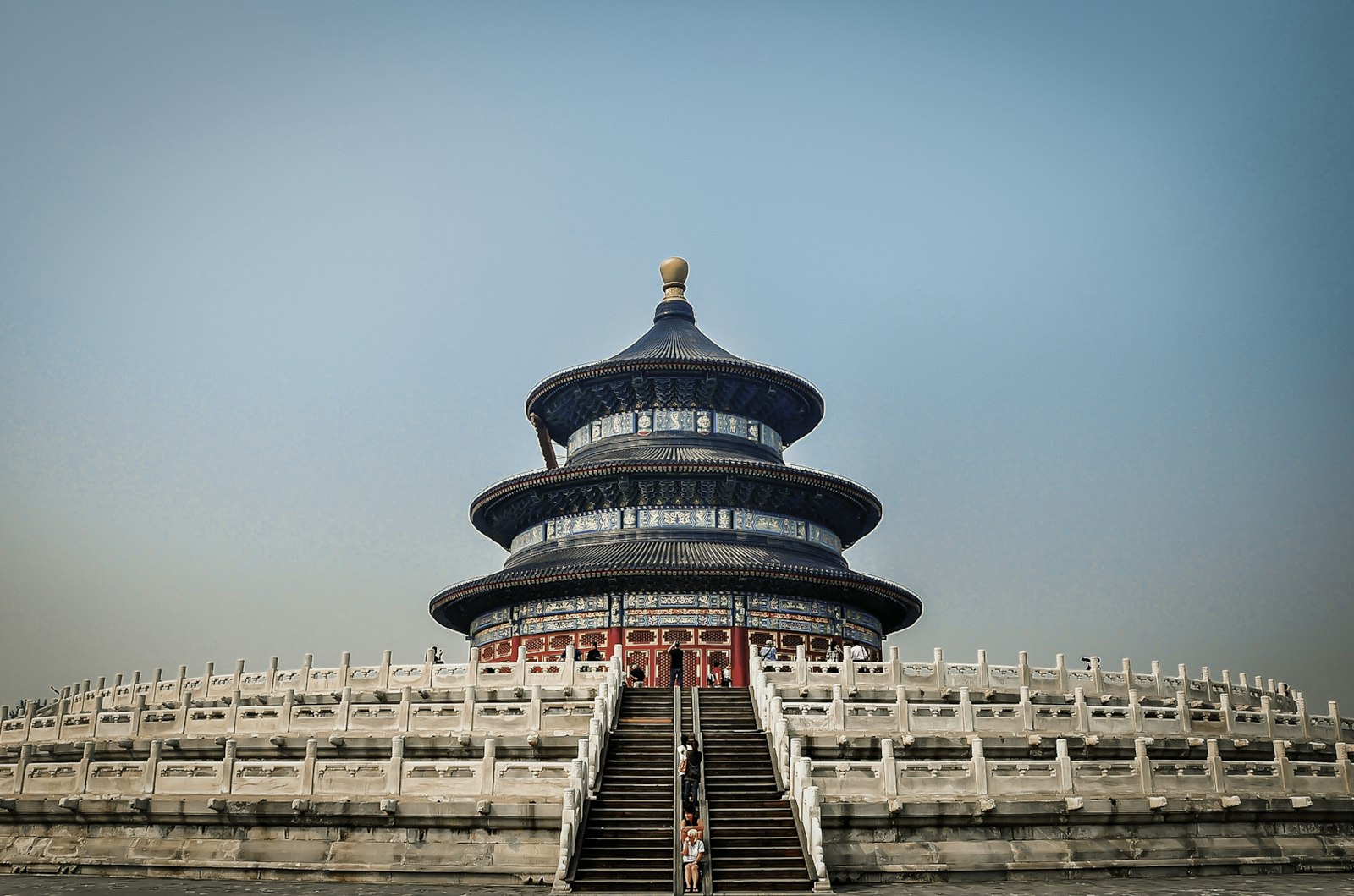
Beijing as first stop in China?
Keep the plan simple: one imperial-core day, one slower old-city day, and one day shaped around either a temple, a park, or the Great Wall.
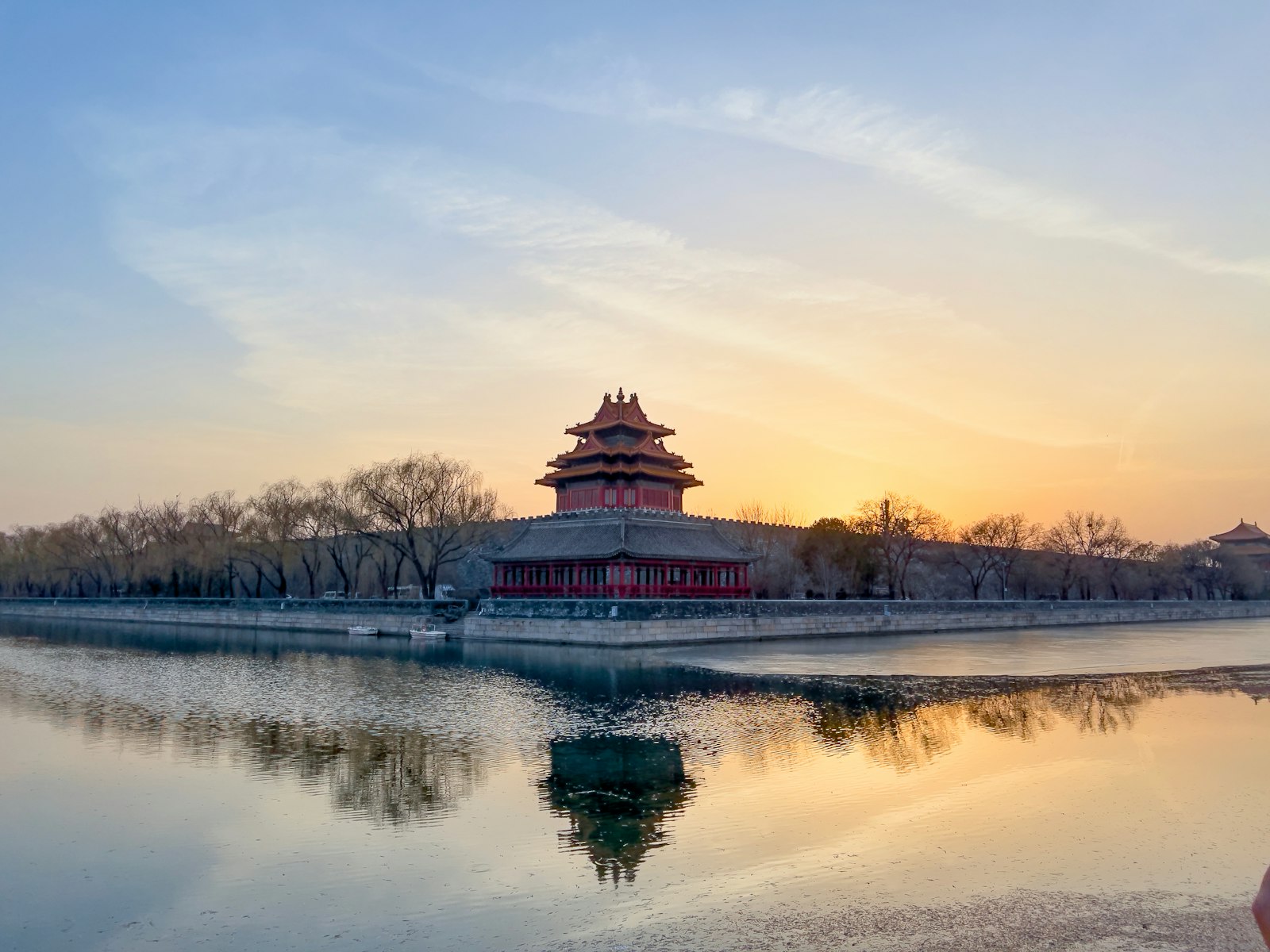
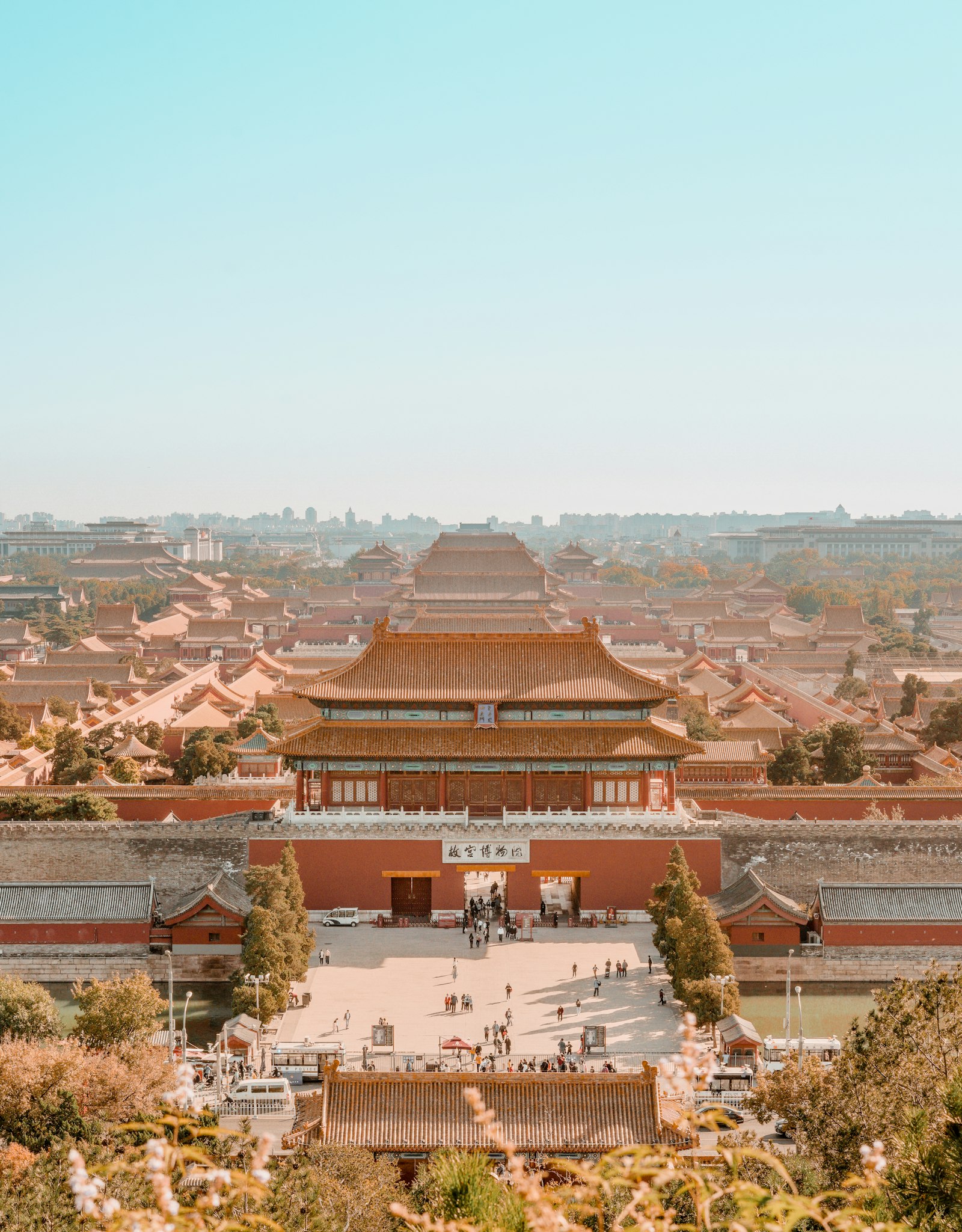
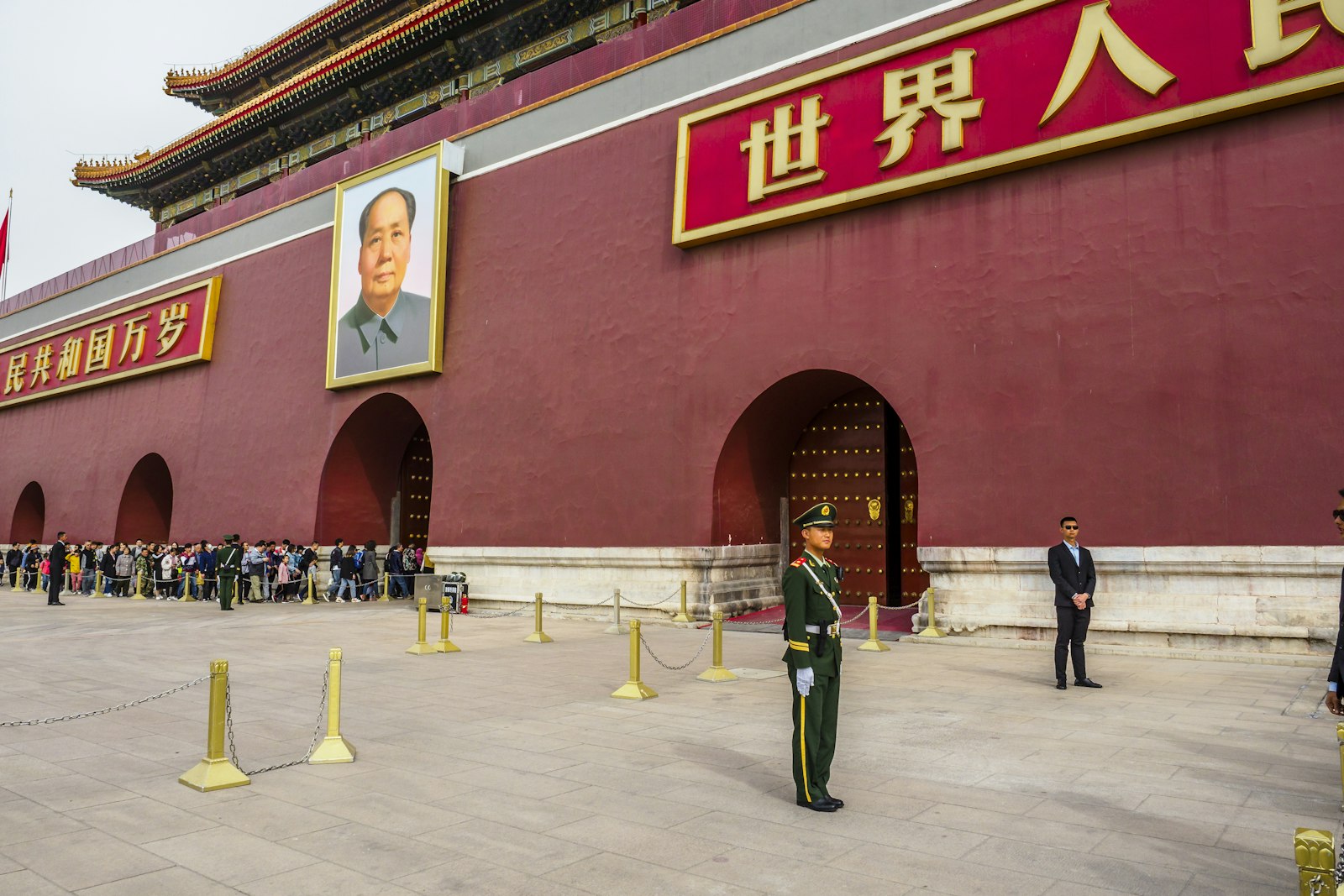
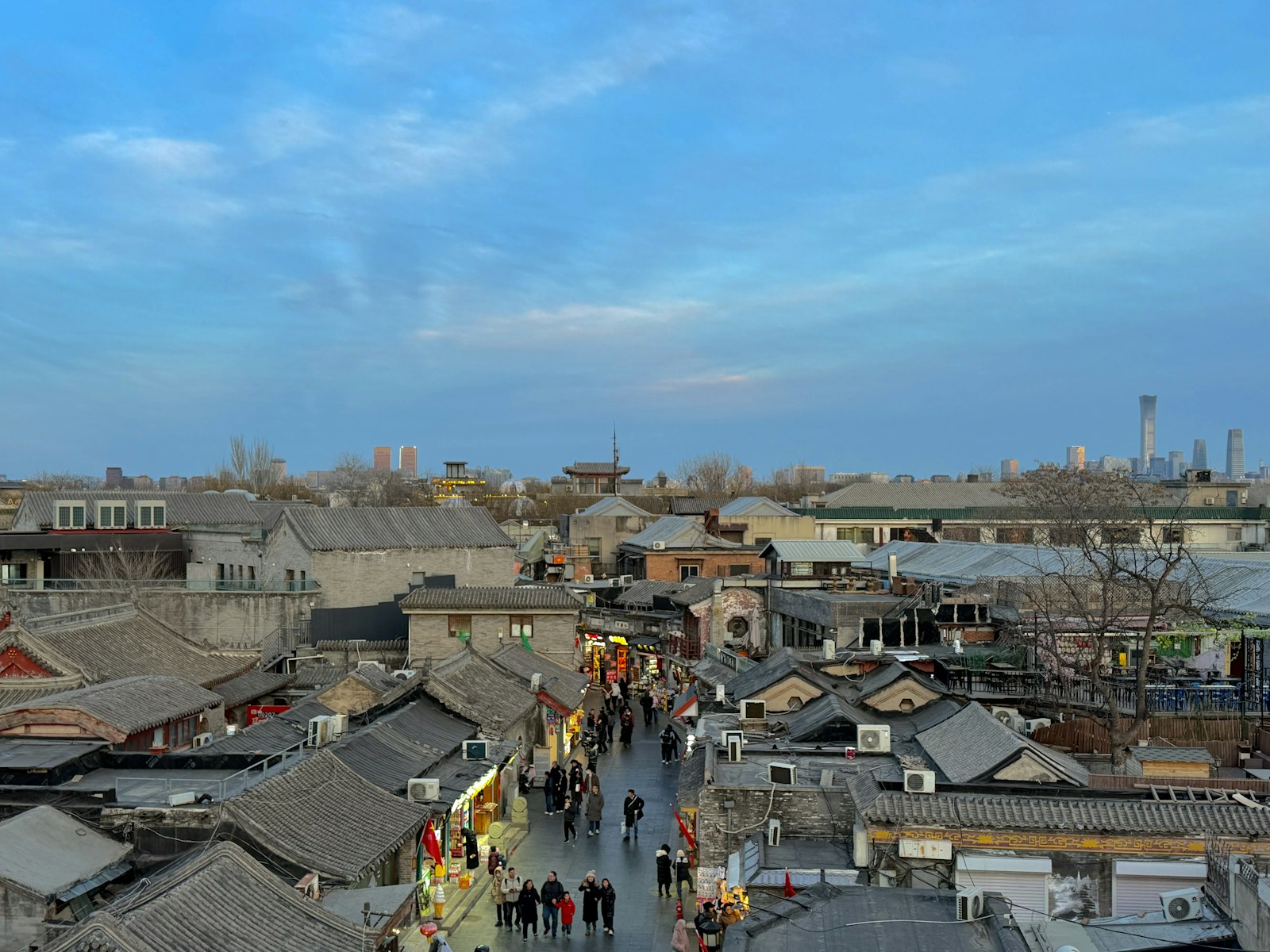

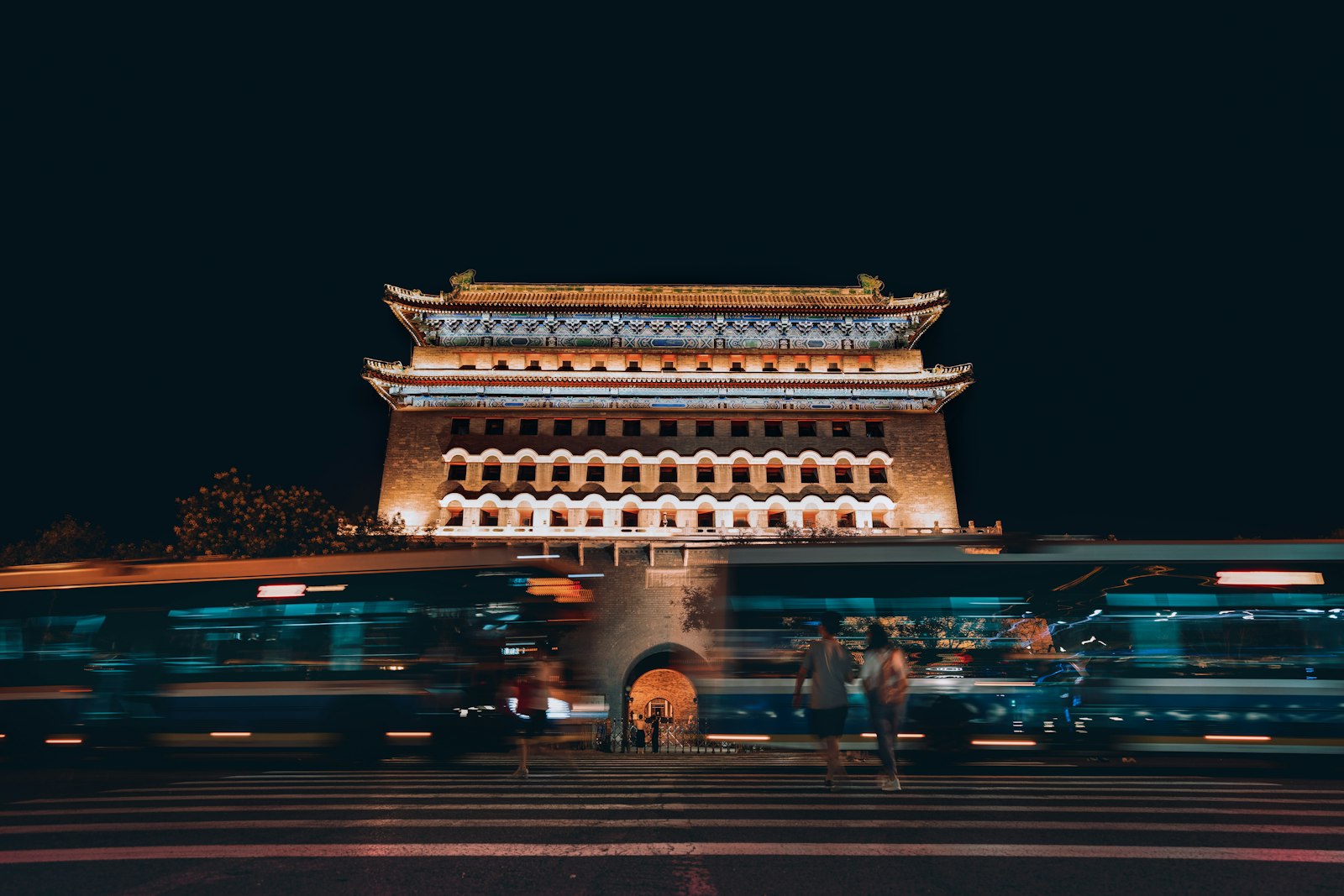
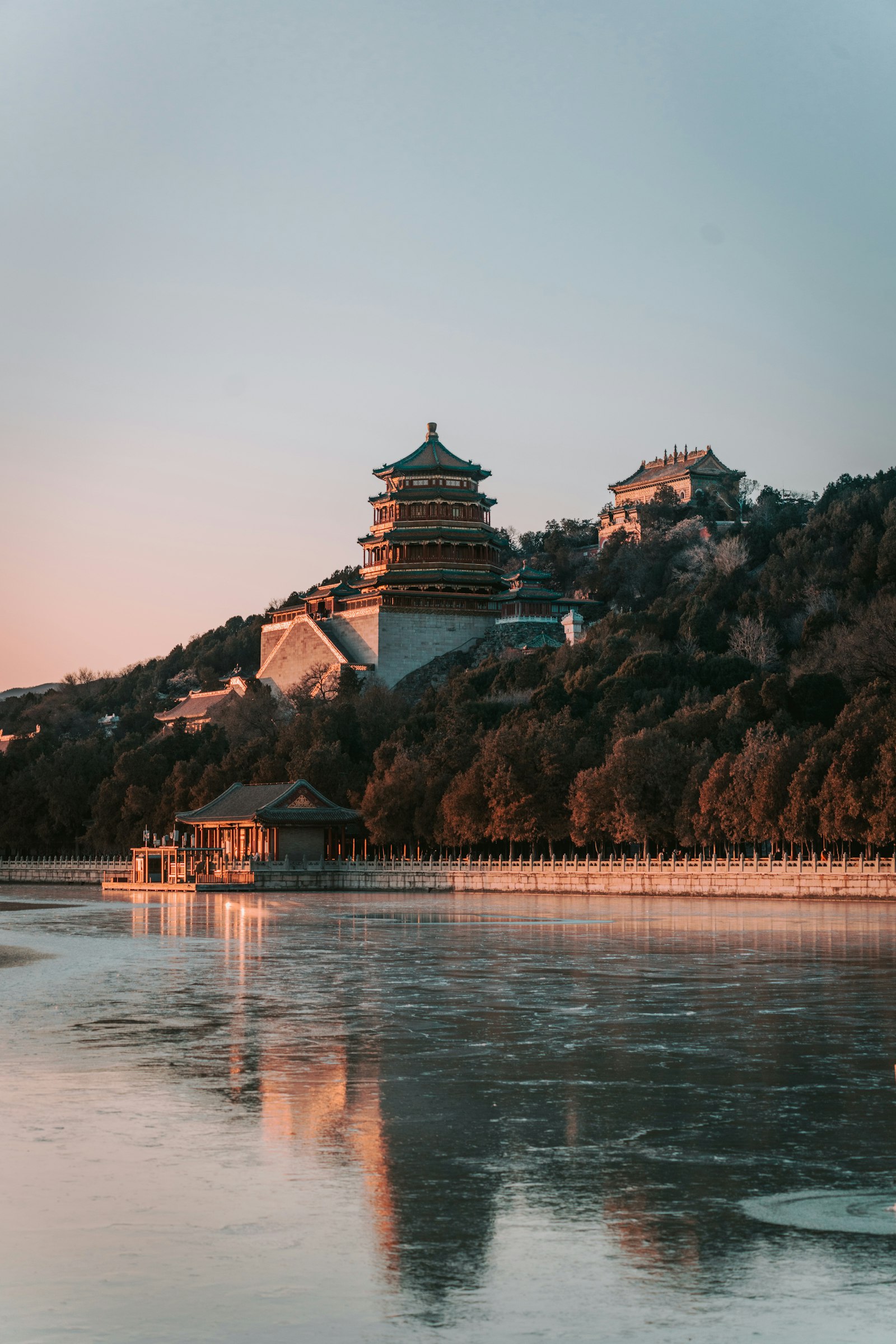
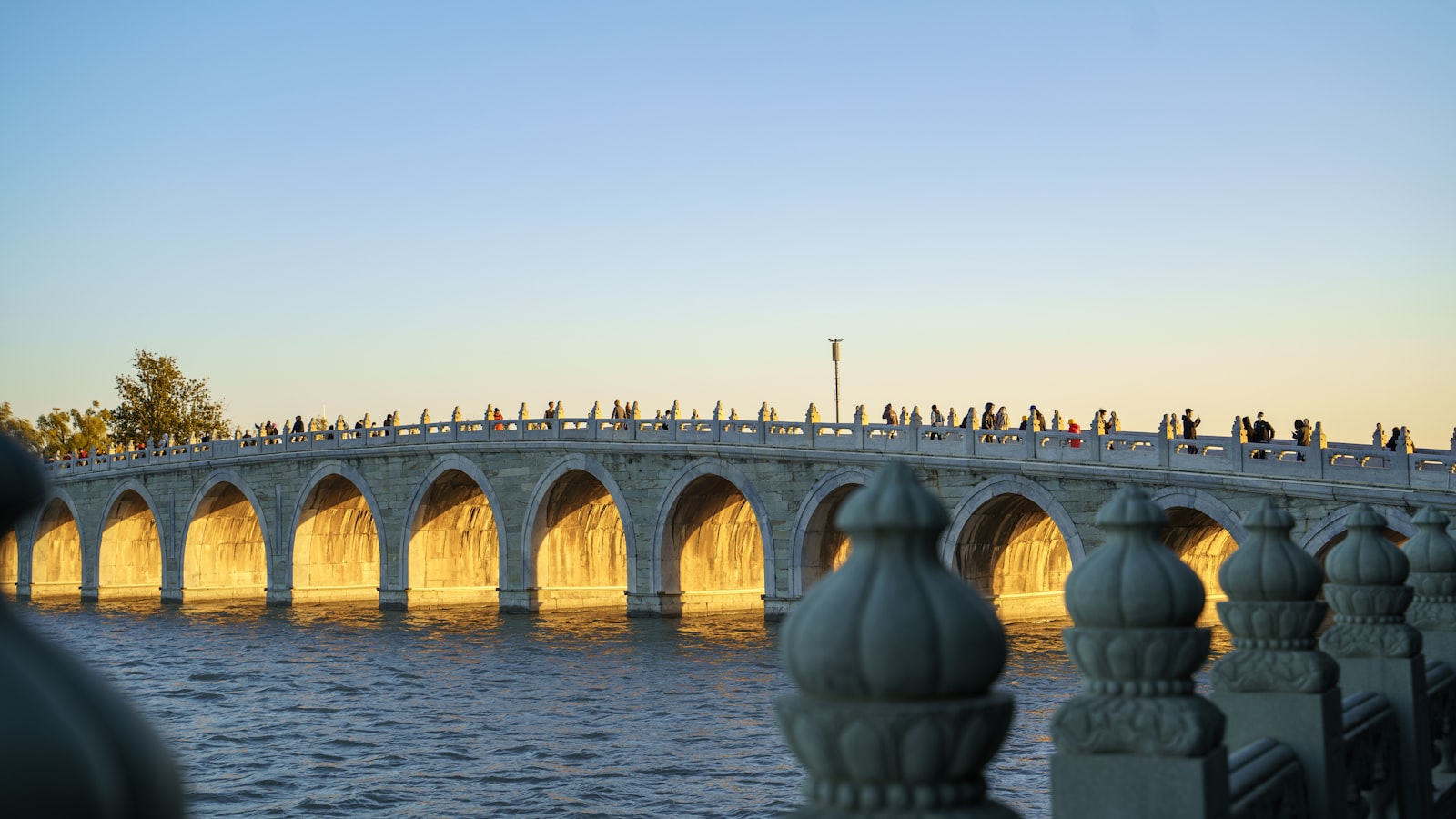
At a Glance
Beijing is one of the most rewarding first stops in China for travelers who want history, major landmarks, and a clearer sense of the country's imperial past. The city brings together the Forbidden City, Tiananmen, major temple complexes, older neighborhood streets, and a genuine Great Wall day-trip option within one trip.
The map matters here because Beijing is not a city where everything sits comfortably in one walkable center. The historic core is fairly concentrated, but places like the Summer Palace, Sanlitun, and Mutianyu pull the trip in different directions. Most visitors have a better time when they use the map to group nearby sights together and avoid crisscrossing the city unnecessarily.
Beijing Map
Trip Planning
Keep the plan simple: one imperial-core day, one slower old-city day, and one day shaped around either a temple, a park, or the Great Wall.
Stay close to the historic center, book key sights in advance, and give each major landmark enough time to feel worthwhile.
Focus on one headline sight, one neighborhood-led day, and one carefully chosen supporting experience rather than trying to see everything.
Top Experiences
The defining sight for many first visits, right in the historic core with Tiananmen and other central landmarks close by.
Read moreOne of the city's most rewarding major sites, slightly south of the center and easy to pair with Qianmen or Dashilar.
Read moreA good counterpoint to the big monuments, with lakeside walks, hutong lanes, and a more relaxed north-city rhythm.
Read moreMore to Explore
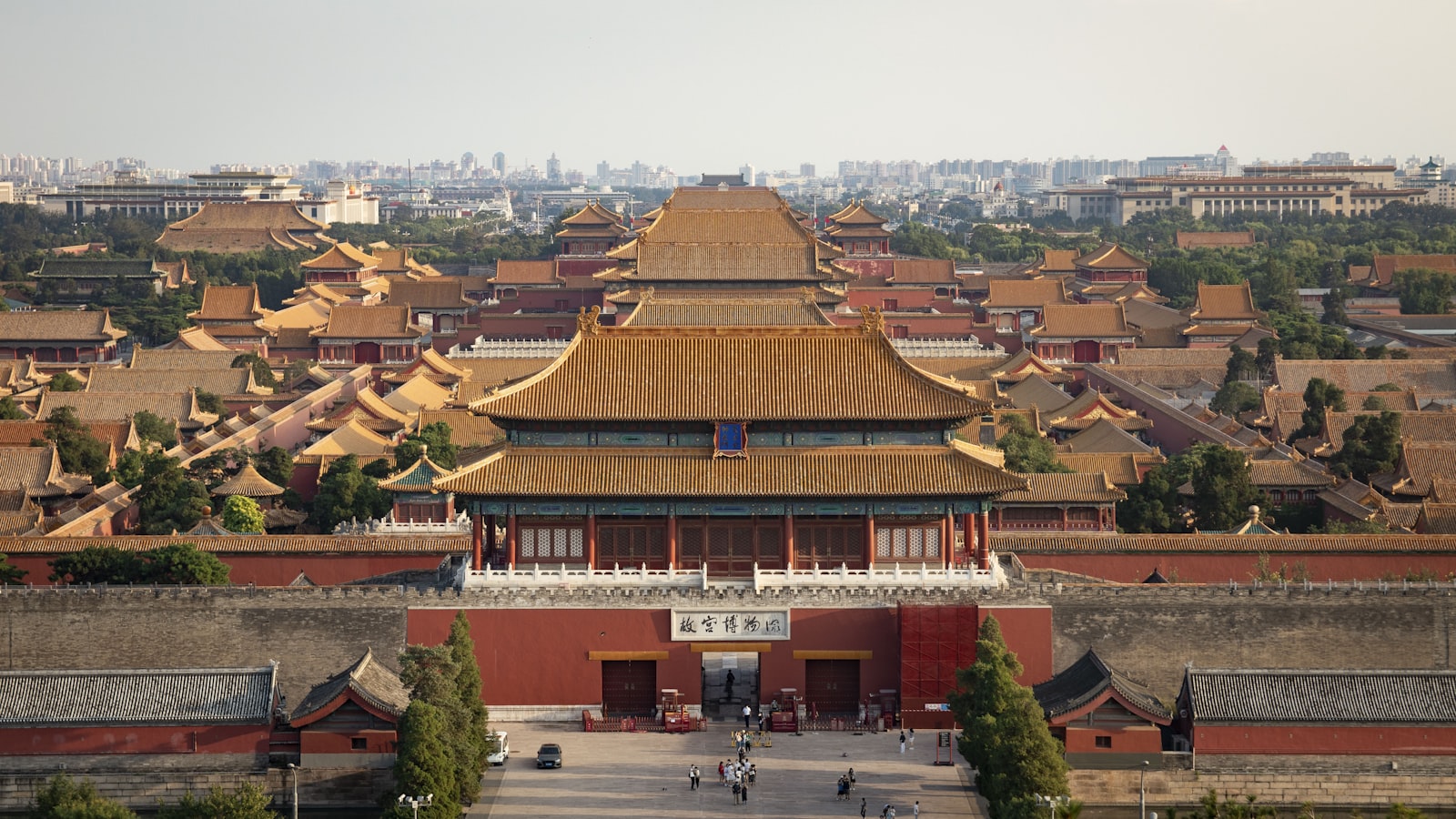
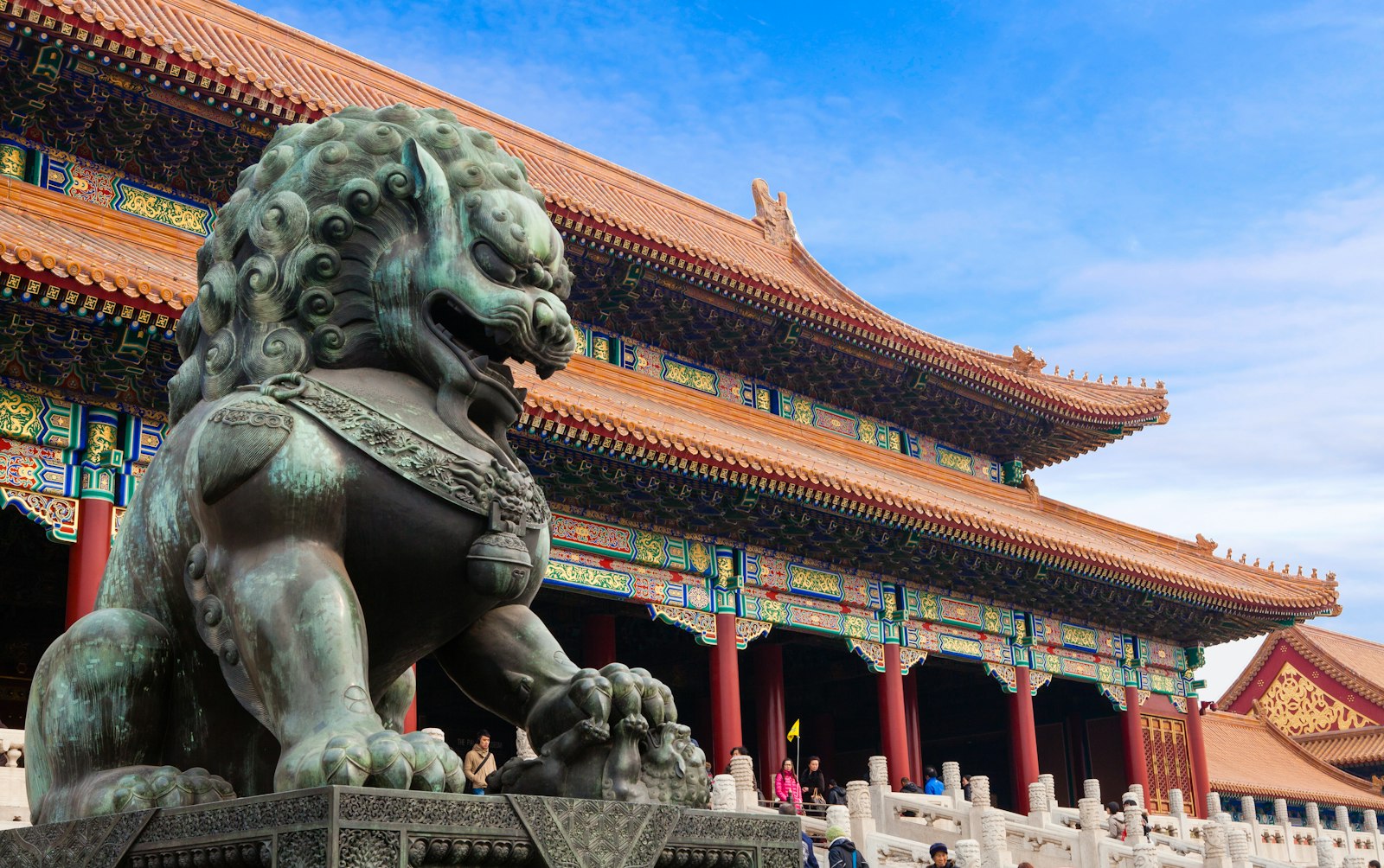
The imperial anchor of a first Beijing trip and one of the clearest arguments for why the city must be planned around heavyweight monuments rather than casual landmark collecting.
Open guideA cleaner, more breathable major Beijing sight that works especially well when the trip needs one heavyweight heritage stop without the endurance load of the Palace Museum.
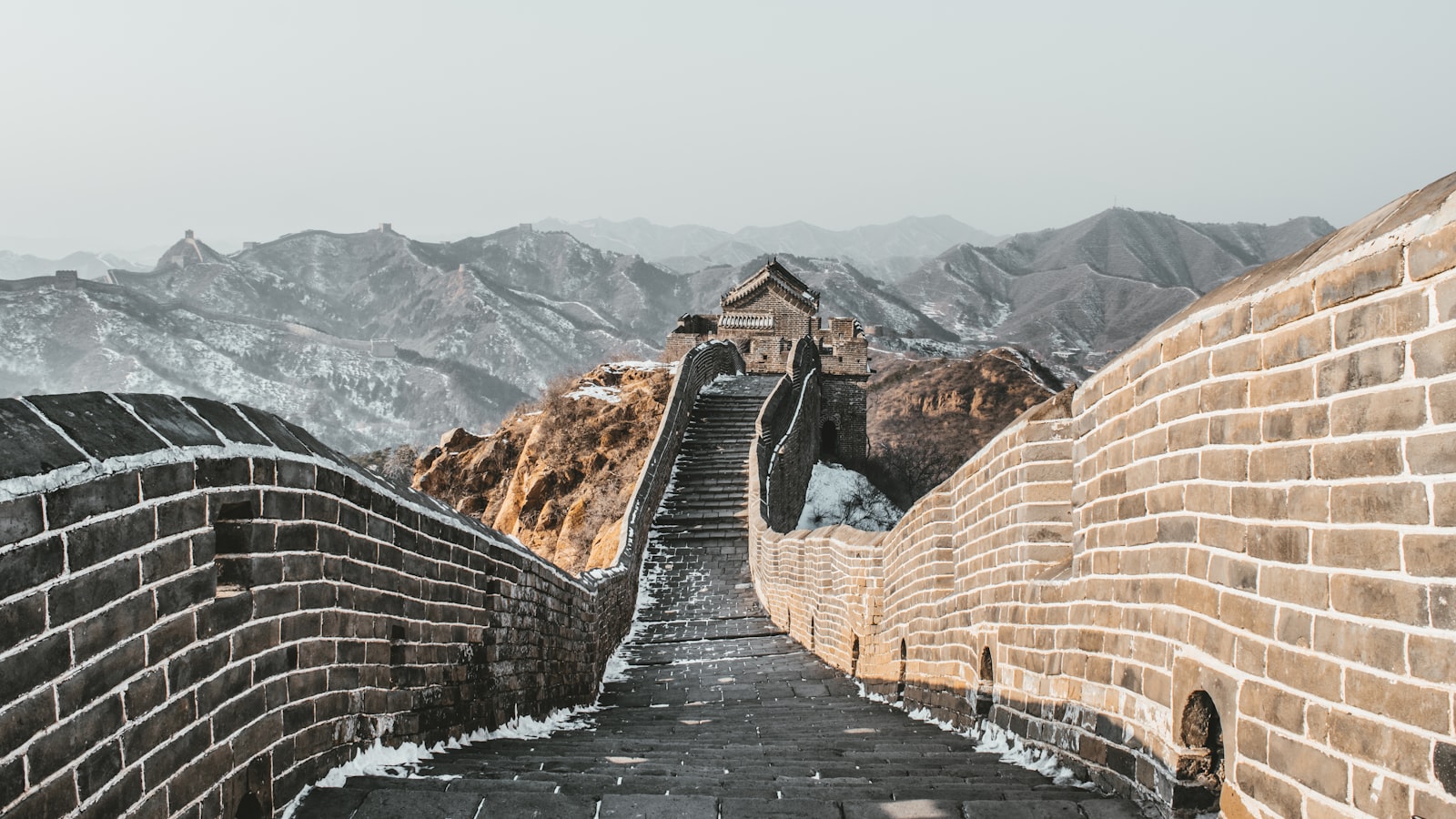
Open guideThe most broadly usable Great Wall branch for many first Beijing trips when you want a strong wall day without turning logistics into the whole story.
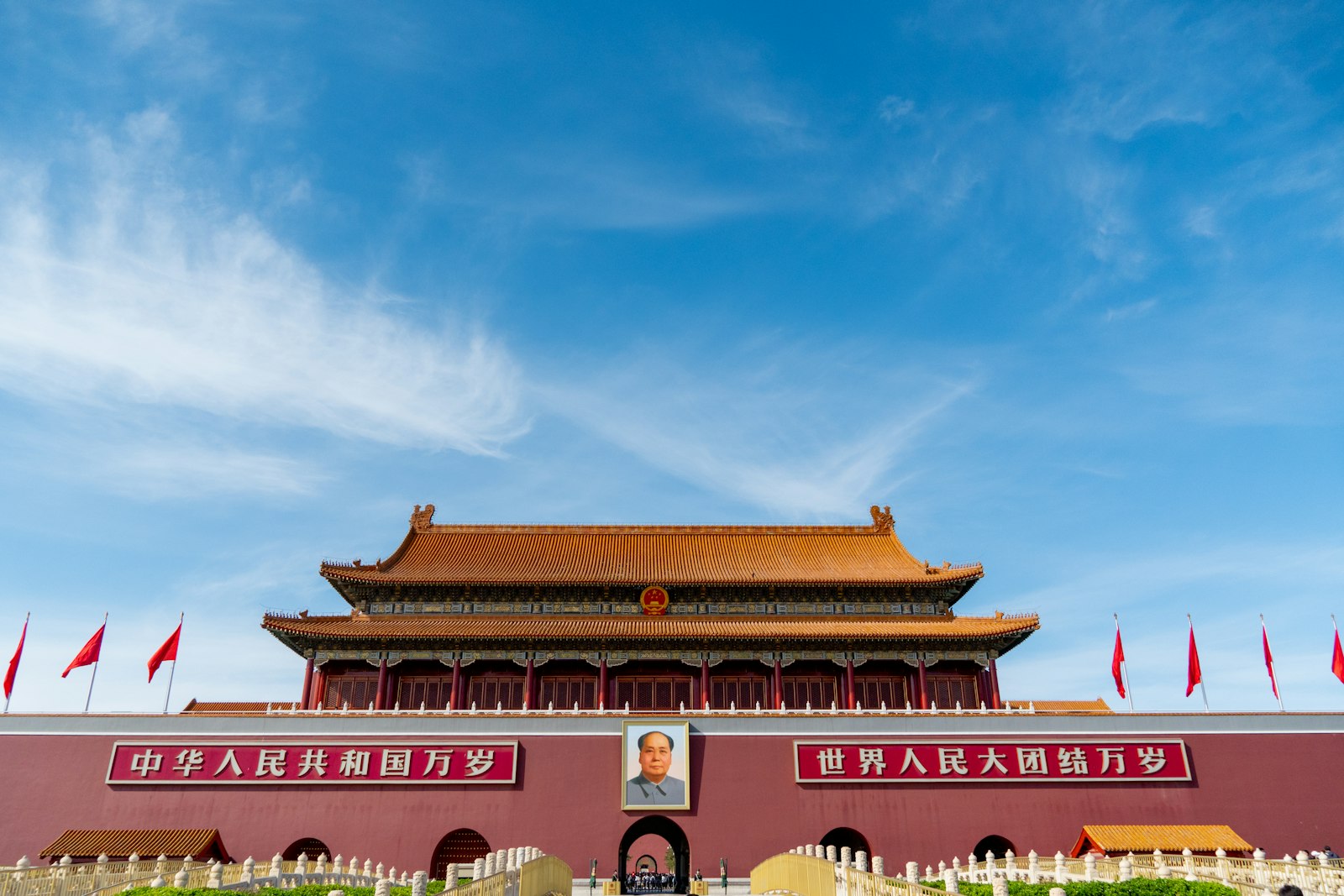
Open guideBeijing's ceremonial heart and the clearest open-air expression of the capital's central-axis logic. Use it as a controlled, symbolic start to a palace, museum, or old-city day rather than as a casual plaza stop.
Open guideThe old commercial corridor south of the ceremonial core, where gate logic, historic shopfronts, and slower street texture make Beijing feel lived-in rather than purely monumental. Best used as a coherent old-city branch after one major anchor.
Open guideBeijing's imperial garden retreat and the strongest scenic counterweight to the city's dense ceremonial core. It gives first trips air, water, and Qing-era formality without the fatigue profile of the central monuments.
Open guideBeijing's clearest modern lifestyle district and one of the best late-day counterweights to palace, park, and old-city sightseeing. Use it for dining, shopping, and a more international urban rhythm after the heavier heritage branches.
Open guideWhere to Base Yourself
Often the best all-round choice for first-time visitors, with stronger atmosphere than newer districts and solid access to many major sights.
A convenient option if you want straightforward hotel logistics, familiar services, and easy returns after a full day out.
A good fit if you prefer a more modern side of the city, with polished hotels, dining, and nightlife.
Getting Around
The central axis sights fit together well, but the Summer Palace, Sanlitun, and the Great Wall belong to different parts of the trip. Grouping by area makes Beijing much easier to manage.
The metro handles most major journeys well, while taxis can help at the start or end of longer sightseeing days.
Security checks, long site footprints, and city traffic can all stretch the day. A little breathing room makes a real difference in Beijing.
Need to Know
Dongcheng is often the most rewarding base because it keeps you close to the historic core while still feeling practical for daily sightseeing.
Many travelers do well with one historic-core day, one neighborhood-led day, one temple or palace-garden day, and one carefully chosen Great Wall day.
Trying to fit too many major sights into one day is the easiest way to make Beijing feel more tiring than it needs to be.
Best Time to Go
A pleasant time for parks, temple visits, and longer walking days, especially for travelers seeing the city for the first time.
Often the most comfortable season for sightseeing, with clearer skies and better conditions for full days outdoors.
Summer is workable, but heat and humidity can make large outdoor sights feel more demanding.
Winter can be crisp and beautiful, though it usually works best with a tighter plan and a sensible mix of indoor and outdoor stops.
Keep Planning